









-
BEZPIECZNE PŁATNOŚCI
Szybka wysyłka
Wiele promocji
new arrival
-
DGT 1002 - Elektroniczny zegar szachowy z opcją dodawania czasu ! ( ZS-27 )
0 Review(s) zł93.00 Regular price zł127.00
-
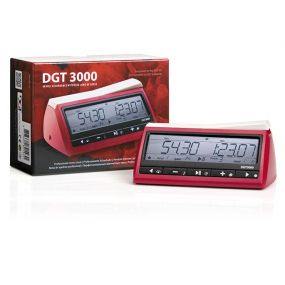
DGT 3000 - Elektroniczny zegar szachowy FIDE (ZS-25) 5 LAT GWARANCJI
0 Review(s) zł280.00 Regular price zł295.00
-
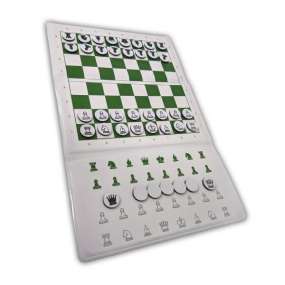
Składany zestaw magnetyczny 2 w 1: SZACHY + WARCABY 35 cm (S-233)
0 Review(s) zł65.45 Regular price zł77.00
-
DGT 1001 czarny - Elektroniczny zegar szachowy dla szkół i klubów ( ZS-20/cz )
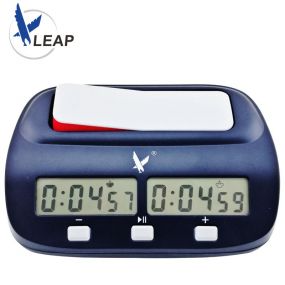
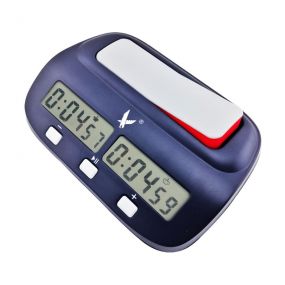
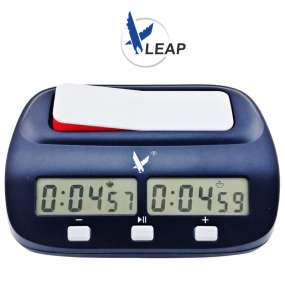
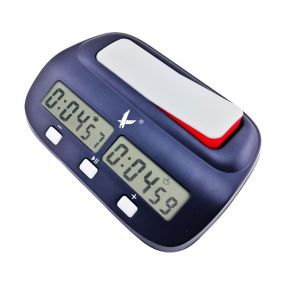
0 Review(s) zł95.00 Regular price zł110.0010x LEAP KK9908 - Zegar szachowy, wszystkie tempa gry, atest FIDE (ZS-28/10)
0 Review(s) zł1,440.00 Regular price zł1,570.00
-
10x Zestaw Szkolny VI: Figury szachowe Staunton nr 5/II w worku + Szachownica z tektury ( Z-1/10 )
0 Review(s) zł1,115.00 Regular price zł1,239.00
-
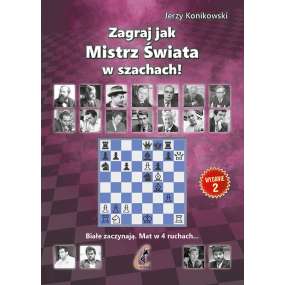
Zagraj jak mistrz świata w szachach! - Jerzy Konikowski (K-6175)
0 Review(s) zł45.00 Regular price zł55.00
-
Profesjonalne szachy turniejowe wypalane nr 4 (S-11/W/W)
0 Review(s) zł159.30 Regular price zł177.00
-
Kompletny zestaw ćwiczeń dla początkujących "Szkoła Taktyki Szachowej krok po kroku część 1 - 3 ( K-3685/kpl)"
0 Review(s) zł45.00 Regular price zł54.00
-
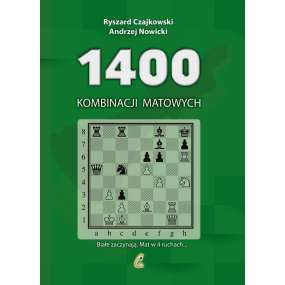
10x 1400 kombinacji matowych - Ryszard Czajkowski, Andrzej Nowicki (K-6254/10)
0 Review(s) zł450.00 Regular price zł590.00
-
Szachownica elektroniczna DGT Smart + figury TIMELESS (S-191)
0 Review(s) zł2,147.00 Regular price zł2,217.00
-
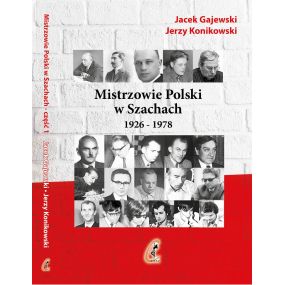
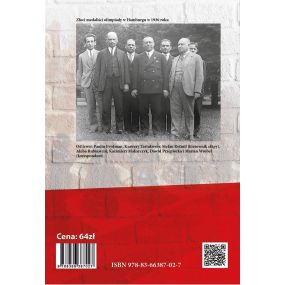
Mistrzowie Polski w Szachach Cz. 1 - 1926-1978 (K-5849)
0 Review(s) zł54.00 Regular price zł64.00
Gwarancja zwrotu pieniędzy
Bezpieczne i szybkie dostawy
Bezpieczeństwo transakcji dzięki certyfikatowi SSL

Data sheet
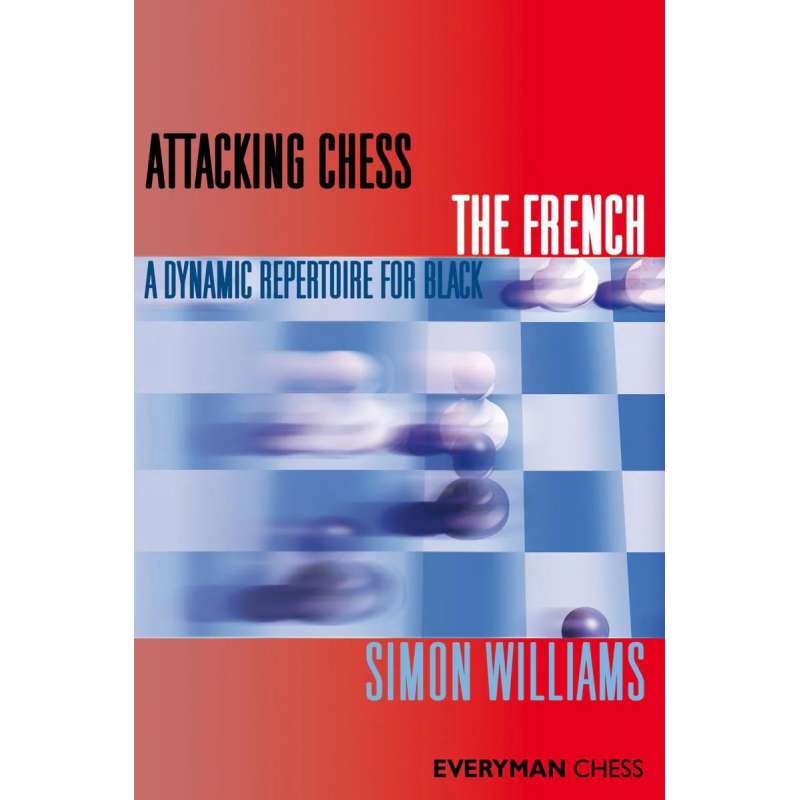
- Publisher:
- Everyman Chess
- Series:
- Attacking Chess
- Year of Publication:
- 2011
- Author:
- Williams Simon
- Language:
- Angielski
- Pages:
- Binding:
- Miękka
- Wymiary książki:
- Weight:
- ISBN:
Specific References
Review
16 other product
NEW IN CHESS Yearbook nr 138 (K-339/138)
New In Chess Yearbook, which appears four times a year, contains the latest news in chess openings. Each issue brings you dozens of new ideas on the cutting edge of modern chess opening theory. Have a look at what this issue has to offer.
Forum
The Forum section contains a lot of material from the Tata Steel Chess Tournament which ended just before our deadline. You can find hot ‘Tata’ contributions by Han Schut, René Olthof and Frank Erwich, besides an impressive analysis by young player Artem Odegov, an SOS line versus the Najdorf employed by Nakamura against MVL no less than 10 times in the chess.com Speed final (written by Peter Boel) and a baffling opening discovery by new grandmaster Max Warmerdam who was also the second of Tata winner Jorden van Foreest.
From Our Own Correspondent
Our GM correspondent Erwin l’Ami dives deep into five openings again with the help of correspondence chess games. You’re getting the latest on the English Attack vs the Najdorf, a new path for Black in a difficult King’s Indian/Benoni hybrid, a sharp attacking game with the Shirov/Shabalov Slav, a new blow for the Blumenfeld Gambit, and another blow for a much-applauded Bobby Fischer idea for Black in the Benoni.
Reviews
Glenn Flear sees Magnus Carlsen’s influence on opening theory grow and grow. He reviews two books on variations named after the World Champion: Carlsen’s Neo-M\'f8ller by Ioannis Simeonidis and The Carlsen Variation by Carsten Hansen – the inventor of which variation, by the way, is ‘close by’! Flear also takes a look at an impressive tome on a very obscure variation: The Exhilarating Elephant Gambit by Jakob Aabling Thomsen and Michael Agermose Jensen, and first but not least at a French opening – another novelty in the Yearbook! It’s called Jouez la Française and it’s by GM Manuel Apicella.
Find Your Next Move - Karel van Delft, Sipke Ernst (K-6502)
The candidate move is perhaps the most elusive concept in chess theory. First introduced by Alexander Kotov in his famous book Think Like a Grandmaster, it seems clear and methodical enough: when considering a move, you make a list of "candidates" in your mind, compare their merits, and make your choice. But how do you determine what a candidate move is, and how do you proceed from there?